

How Do We Approach Orthodontics?
At The Dental Abode in Chelmsford, our orthodontic care is centred around personalised, technology-driven treatment for patients of all ages. Your journey begins with a detailed consultation, allowing us to create a customised plan focused on achieving both aesthetic and functional results.
We offer a full range of options, from high-grade stainless steel metal braces to discreet ceramic braces and completely hidden lingual braces fitted behind the teeth.
As a proud Diamond Apex Invisalign Provider, we have successfully treated a high volume of patients across Europe using custom-made clear aligners — straightening teeth without brackets or wires.
Our “Early Intervention” approach supports children aged 6–10, helping guide jaw development and reduce the need for complex treatment later. We also provide Invisalign Teen and Invisalign First.
Book A Free Orthodontic Consultation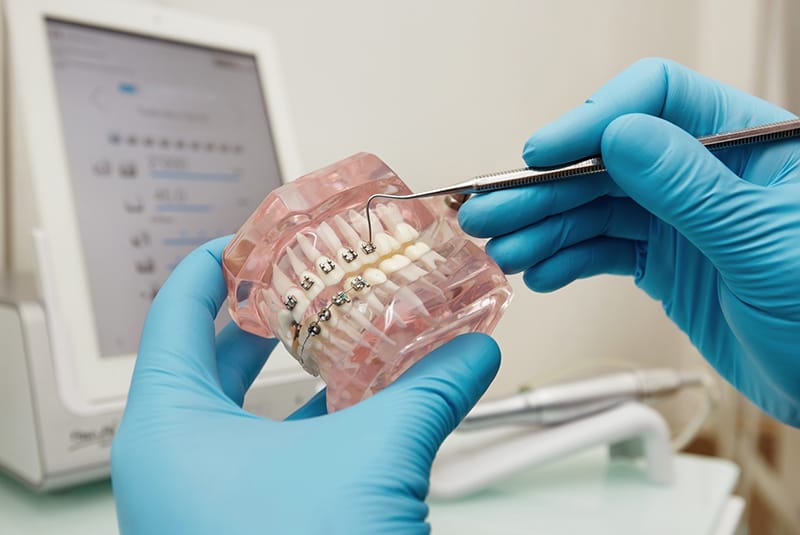
What Types Of Orthodontic Treatment Do We Provide?
- Invisalign: A popular clear aligner treatment that uses a series of custom-made, transparent trays to gradually shift teeth into their desired positions, offering a virtually invisible orthodontic solution.
- Invisalign Teen/First: A specialised version of Invisalign designed for teenagers or as a first-time orthodontic treatment, featuring additional features to accommodate the unique needs of younger patients, such as compliance indicators to ensure proper wear.
- Traditional metal braces: Traditional braces made of high-grade stainless steel, featuring metal brackets and wires that gradually align and straighten teeth.
- Ceramic braces: Braces similar to metal braces, but with tooth-coloured or clear brackets that blend in with the teeth.
- Lingual: Customised braces that are attached to the back of the teeth, making them virtually invisible from the outside, providing a discreet treatment option.
- Early Intervention: Orthodontic treatment initiated during childhood, typically for children between the ages of 6 and 10, to address developing orthodontic issues and guide the growth of the jaw and incoming permanent teeth.
- Retainers: Custom-made devices used after orthodontic treatment to hold teeth in their new positions and prevent them from shifting back, helping maintain the final results of the orthodontic treatment.
What Is Orthodontics?
Orthodontics is a dental specialty that focuses on correcting misaligned teeth and jaws for both adults and children. It involves the use of braces, retainers, and other devices to move your teeth into their desired position – paving the way to the smile you’ve always wanted.
At The Dental Abode in Chelmsford, we can improve the appearance of your teeth and how they function from day to day, as well as save you from the woes of future dental issues. Our mission is to give you a healthy, functional, and aesthetically pleasing bite.
It is often recommended for people who have problems with their teeth or jaws, such as crooked or crowded teeth, an overbite, an underbite, or a crossbite.
If you have any questions about our orthodontic services or would like to seek treatment on your children’s behalf, please don’t hesitate to contact us today. We look forward to helping you achieve and maintain a healthy, attractive smile.
Who Can Benefit from Orthodontics?
Orthodontic treatment is beneficial for individuals with a range of dental issues. It can help straighten crooked or misaligned teeth, improving both appearance and function. Overbites, underbites, and crossbites can be corrected, ensuring proper alignment of upper and lower teeth.
Furthermore, orthodontic procedures can create space in the mouth by gradually aligning crowded teeth, promoting better oral hygiene. Or, if you’d like to improve your smile then orthodontics is also for you.
How Much Does Orthodontics Cost?
Orthodontic Consultation Adult – £55
Orthodontic Consultation Child – £55
Single Arch: from £2775.00
Both Arches: from £4250.00
Our Chelmsford Orthodontics Team
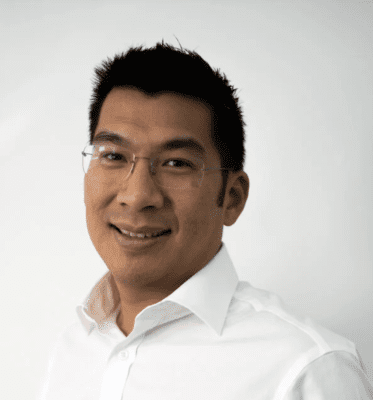
Dr Anthony Lam
Specialist Orthodontist
Practice Owner
Our dentistry has a highly respected orthodontist, Dr Lam. He has global recognition, was previously a clinical educator, and is actively involved in various orthodontic societies.
His main areas of interest are invisible cosmetic orthodontic braces including the Incognito Lingual appliances, Invisalign, Ceramic and Damon System appliances.
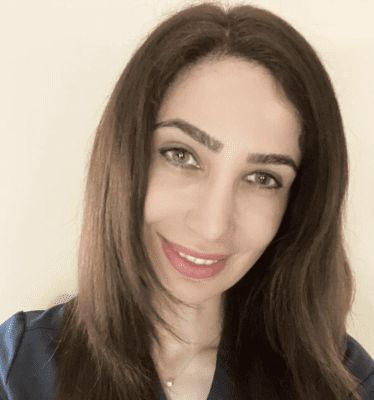
Dr Mandana Amin
Specialist Orthodontist
Practice Principal
Our devoted specialist orthodontist, who obtained her qualification in 2021, has since been dedicated to enhancing both our practice and your smiles.
Accreditations
We are proud to be official members of:





Common Questions About Orthodontics
At what age can you get orthodontic treatment?
There is no age limit for orthodontic correction, and many adults opt for orthodontic treatment to improve their smile and oral health. Additionally children should have their first orthodontic evaluation by the age of 7.
What is the ideal duration of orthodontic treatment?
The duration of orthodontic treatment varies depending on the complexity of the case, but it typically lasts between 18 months to 3 years.
Will orthodontic treatment be painful?
Some discomfort or soreness is normal, especially after adjustments. However, modern orthodontic techniques have minimised the pain associated with treatment, and over-the-counter pain relievers can help manage any discomfort.
What is the difference between dentistry and orthodontics?
The main difference lies in their specialisation. While both focus on oral health, they handle very different aspects of your care:
* Dentists are “general practitioners” for your mouth. They focus on overall hygiene, preventing decay, fixing problems like cavities, gum disease and tooth infections.
* Orthodontists are specialists who focus on alignment. They undergo 2–3 years of additional training beyond dental school to learn how to correct “bad bites” (malocclusions), straighten crooked teeth and fix jaw issues.
To Summarise: See a dentist for routine maintenance and pain; see an orthodontist to improve your smile’s structure and function.
What does an orthodontist do?
An orthodontist is a specialised dentist who diagnoses and treats dental and facial irregularities, such as crooked teeth, crowding and misaligned bites. Using tools like braces, invisalign clear aligners and retainers, they professionally manipulate tooth movement and jaw alignment to improve both the function and appearance of your smile.
Can I eat and drink normally with Invisalign?
You can eat and drink whatever you like, provided you remove your aligners before consuming anything other than plain water. Because food and sugar trapped against your teeth can cause decay or stain the plastic, you must brush your teeth before putting them back in. To ensure your treatment stays on track, make sure you keep your trays in for at least 22 hours a day.
How long does Invisalign treatment take?
Most patients complete their invisalign treatment within 12 to 18 months. However, results are highly individualised. Minor adjustments can take as little as 6 months, while complex bite alignment may take 24 months or more.
Can I play sports with Invisalign aligners?
Yes, you can play sports with Invisalign and they are generally safer than traditional metal braces because there are no sharp brackets to cut your mouth upon impact. For high-contact sports, we recommend to remove your aligners and wear a professional athletic mouthguard to ensure your teeth are fully protected.
What’s the difference between invisalign and fixed braces?
Invisalign uses a series of clear, removable plastic trays to gradually shift teeth and is virtually invisible, making it ideal for those prioritising aesthetics and convenience. In contrast, fixed braces consist of metal or ceramic brackets bonded to the teeth and is connected by wires, providing a non-removable solution that is often more effective for complex structural realignments.
Will my speech be effected by invisalign?
Most people experience a slight lisp or a minor “whistling” sound during the first few days as their tongue adjusts to the thickness of the aligners. However, this effect is usually temporary and typically disappears within a week as your mouth adapts to the trays.
How often do I need to see my orthodontist after invisalign treatment?
After completing your Invisalign treatment at The Dental Abode, you will typically see your orthodontist for a follow-up visit at six months and again at one year to ensure your teeth aren’t shifting. During these appointments, we will check the fit of your retainers and verify that your bite remains stable and healthy.
Can my child receive invisalign aligners?
Yes, children and teenagers can receive Invisalign, provided they have a mix of baby and permanent teeth or all their adult teeth. However, a consultation with an orthodontist is necessary to determine if your child’s specific dental alignment and level of discipline make them a good candidate for clear aligners.